Minecraft's Midas Touch: From Pixelated Beginnings to a Multi-Billion Dollar Empire
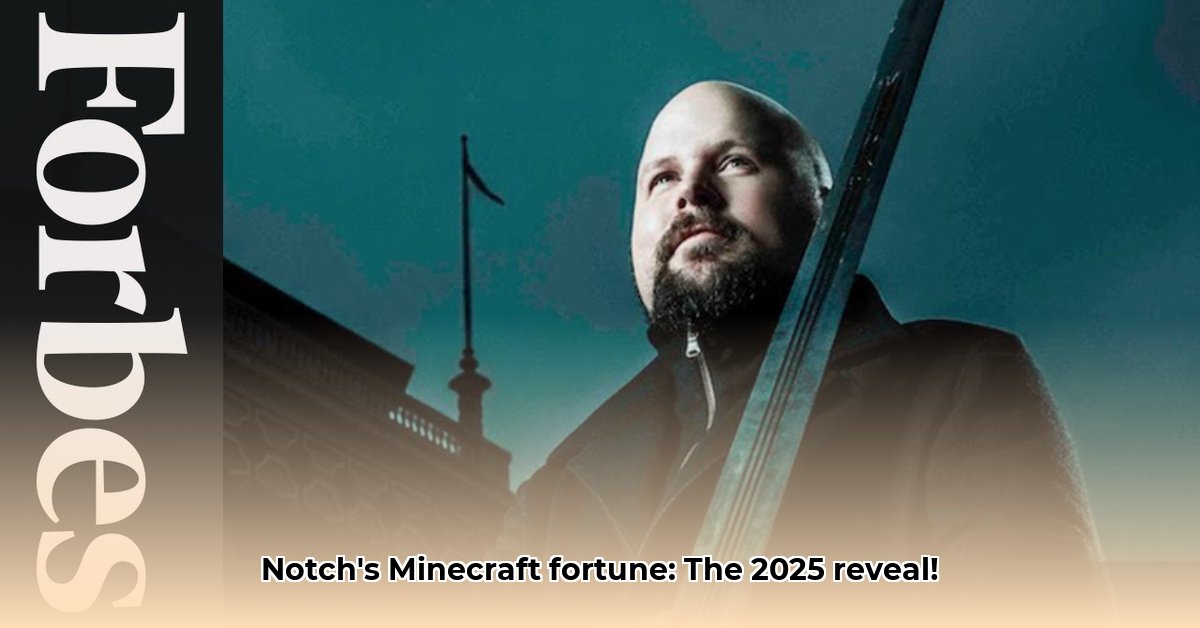
Markus "Notch" Persson, the enigmatic creator of Minecraft, remains a fascinating figure in the gaming world. His journey, from relatively unknown programmer to billionaire entrepreneur, is a compelling narrative of innovation, entrepreneurial spirit, and the unpredictable nature of immense wealth. But what's his net worth in 2025? Predicting the future is inherently challenging, especially when dealing with the fluctuating dynamics of personal fortunes. However, by examining his past success, analyzing publicly available data, and considering various market factors, we can paint a plausible picture. For more on his wealth, see his net worth here.
Could Notch's net worth be even greater than the staggering sum he received from the sale of Mojang to Microsoft? The answer, as we will explore, is complex.
From Humble Beginnings to Global Phenomenon: The Minecraft Story
Notch's tale is a classic underdog narrative. He wasn't born into wealth; rather, he was a programmer with a vision—a vision that materialized into Minecraft, a game that redefined the sandbox genre. Its addictive gameplay, accessible to players of all ages and skill levels, quickly garnered a massive following. This success wasn't accidental; it was a result of ingenious game design, clever marketing (mostly organic, driven by passionate players), and impeccable timing. Minecraft hit the market precisely when gamers were craving such a unique creative experience.
How did Minecraft achieve such phenomenal success? A combination of elements such as its open-world sandbox gameplay, accessible interface, and the robust modding community, all contributed to its global appeal. These factors are crucial if one wishes to explore strategies for replicating Minecraft's success. The initial sales were merely the beginning; the continuous updates, expansions, and the active involvement of the modding community fueled long-term revenues. It’s a potent formula that many aspiring game developers study meticulously.
The Microsoft Acquisition and Its Ripple Effects
The $2.5 billion sale of Mojang, the company behind Minecraft, to Microsoft in 2014 was a pivotal moment. This life-changing transaction transformed Persson overnight from a successful entrepreneur to an ultra-high-net-worth individual. However, this extraordinary financial success came with its own set of complexities. Managing this level of wealth requires a different set of skills and strategies, and it’s a challenge that only a select few can navigate successfully. The question becomes: How has Persson managed his wealth since the acquisition?
What is particularly interesting is the post-Mojang chapter of Notch's life. He has undertaken various ventures since the sale, some successful, others less so. His public persona, known for outspoken statements, adds another layer to understanding his current financial standing. To truly understand his net worth in 2025, we need to look beyond the initial Microsoft acquisition.
Estimating Notch's 2025 Net Worth: Navigating the Unknowns
Determining Notch's precise net worth in 2025 is a significant challenge. Much of his investment portfolio remains private. However, we can make educated estimations by analyzing publicly available information and considering various influencing factors:
- Investment Returns: The performance of Persson's investments over the past decade will significantly impact his overall wealth. Market fluctuations play a significant role here.
- New Ventures: Any new successful business ventures, independent of the initial success of Minecraft, would substantially increase his net worth. The success or failure of these projects remains to be fully understood.
- Market Conditions: The overall global economic climate and the performance of the tech market will considerably affect the valuation of his assets.
The unpredictability of these factors makes giving a precise figure impossible. But it's quite clear that Notch's wealth remains substantial.
Beyond the Billions: Notch's Enduring Legacy
Irrespective of the exact financial figures, Notch's impact on the gaming industry is undeniable. Minecraft remains a cultural touchstone and a testament to the potential of innovative game design. His story is a complex blend of inspiration and caution, highlighting the potential for transformative success and the challenges of managing extraordinary wealth. The narrative of his journey continues to unfold.
From Pixel to Profit: Lessons for Aspiring Indie Game Developers
Key Takeaways:
- Minecraft's success wasn't merely a stroke of luck; it was a well-orchestrated blend of compelling gameplay, community building, and sound business practices.
- The power of community engagement cannot be overlooked; Minecraft is a testament to the positive impact of a thriving, involved player base.
- Sustainable monetization strategies beyond initial sales are critical for long-term success in the gaming industry.
The Minecraft Formula: Key Elements of Success
Minecraft's success offers invaluable insights for aspiring indie game developers. Its open-world design, simple yet engaging gameplay, and the active fostering of a modding community are key elements worthy of emulation. The game's remarkable longevity stems from its ability to evolve organically, driven by community contributions. This dynamic aspect allowed Minecraft to continuously attract and retain players.
Building a Thriving Community: The Minecraft Model
The thriving Minecraft modding community is a cornerstone of the game's persistent success. These passionate players became active participants, extending the game's lifespan and driving its popularity. This community involvement is a crucial lesson for aspiring developers; embracing and nurturing a strong player community is not merely advantageous but essential.
Beyond the Initial Sale: Sustainable Monetization
Minecraft's continued profitability highlights the importance of diversifying revenue streams beyond initial sales. Updates, expansions, and merchandise contributed significantly to its long-term financial success. Indie developers must learn from this example, adopting similar strategies for their own games.
A Roadmap to Success: Steps to Emulate Minecraft's Journey
- Concept & Design: Prioritize creativity and community interaction in the game design.
- Development: Build a solid foundation, enabling community input and cross-platform compatibility.
- Community Building: Cultivate a vibrant player community through active engagement and support.
- Marketing & Launch: Develop a clear marketing strategy to highlight the game's unique aspects effectively.
- Monetization: Implement a long-term monetization strategy that incorporates multiple revenue streams.